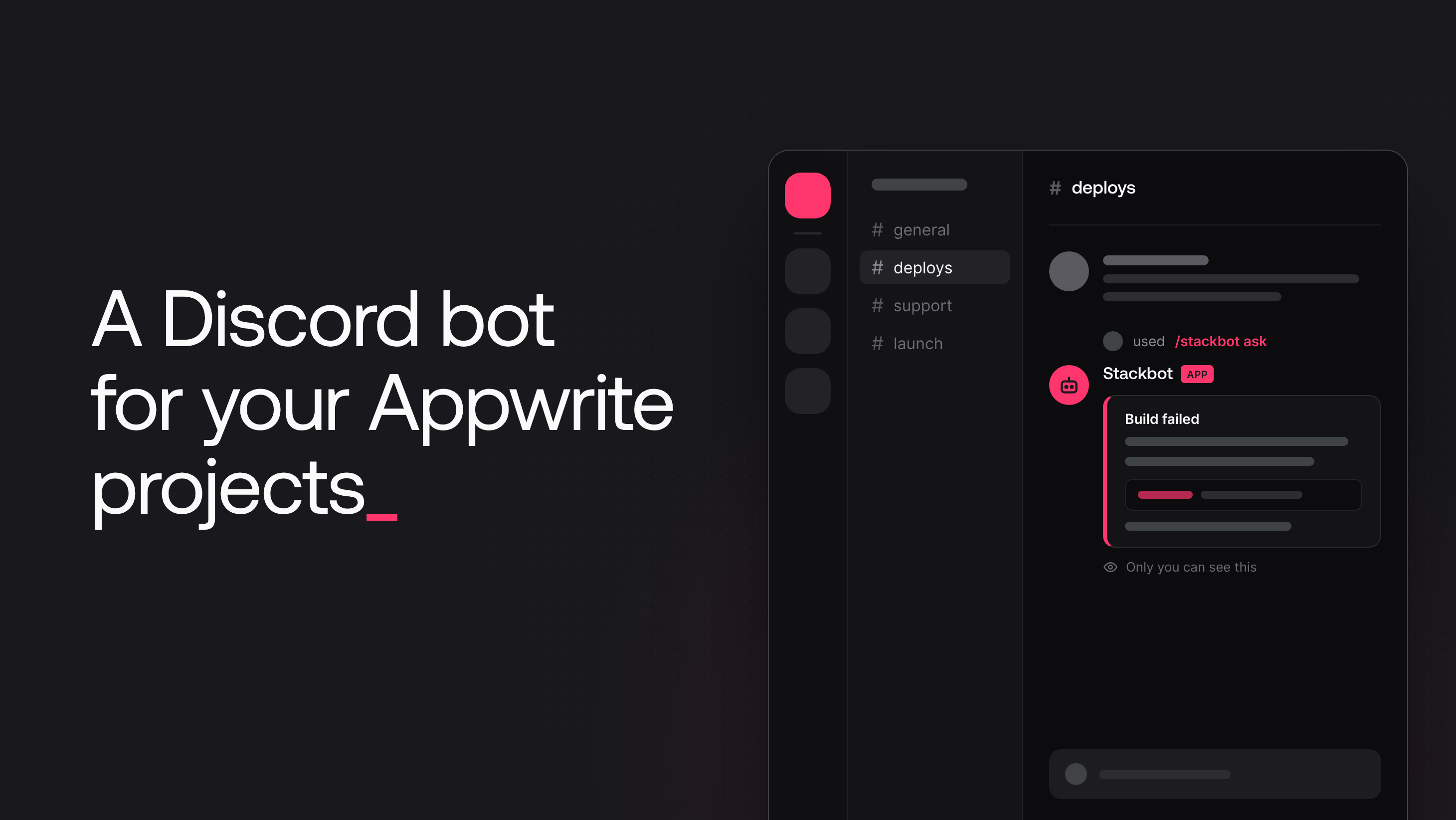
Build a Discord bot for your Appwrite projects with Appwrite Functions

Build a Discord bot that tells you why a deployment failed, how many users signed up, and what your functions are doing, without leaving Discord.
11 min read
Build a Discord bot that tells you why a deployment failed, how many users signed up, and what your functions are doing, without leaving Discord.
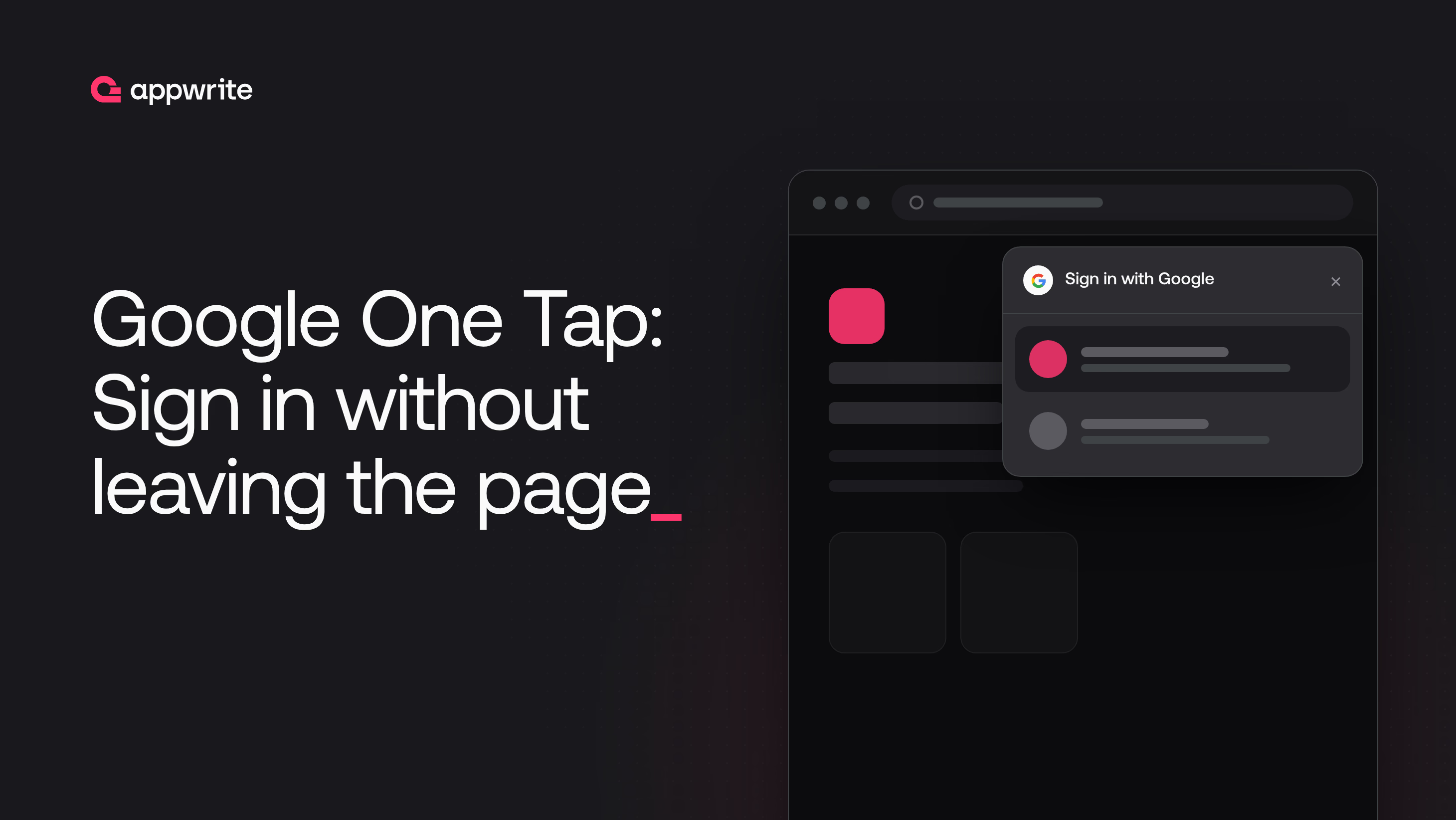
Show Google's One Tap prompt on your site and exchange its ID token for an Appwrite session. One web client ID covers the site and Android.
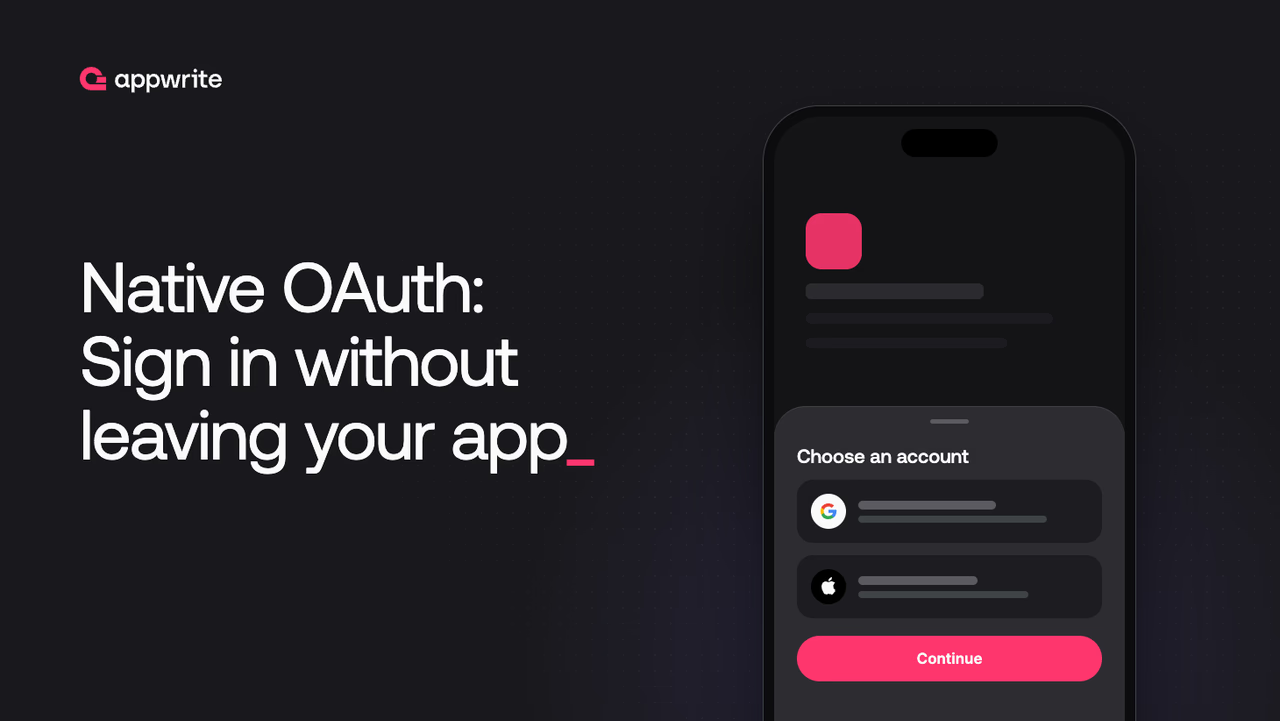
Your mobile app can now use the platform's own Sign in with Apple or Google account picker and exchange the ID token for an Appwrite session in one request, with no redirect through Appwrite.
The Appwrite plugin for Codex now bundles the hosted Appwrite MCP server and thirteen agent skills. Install it from the ChatGPT desktop app or the Codex CLI.
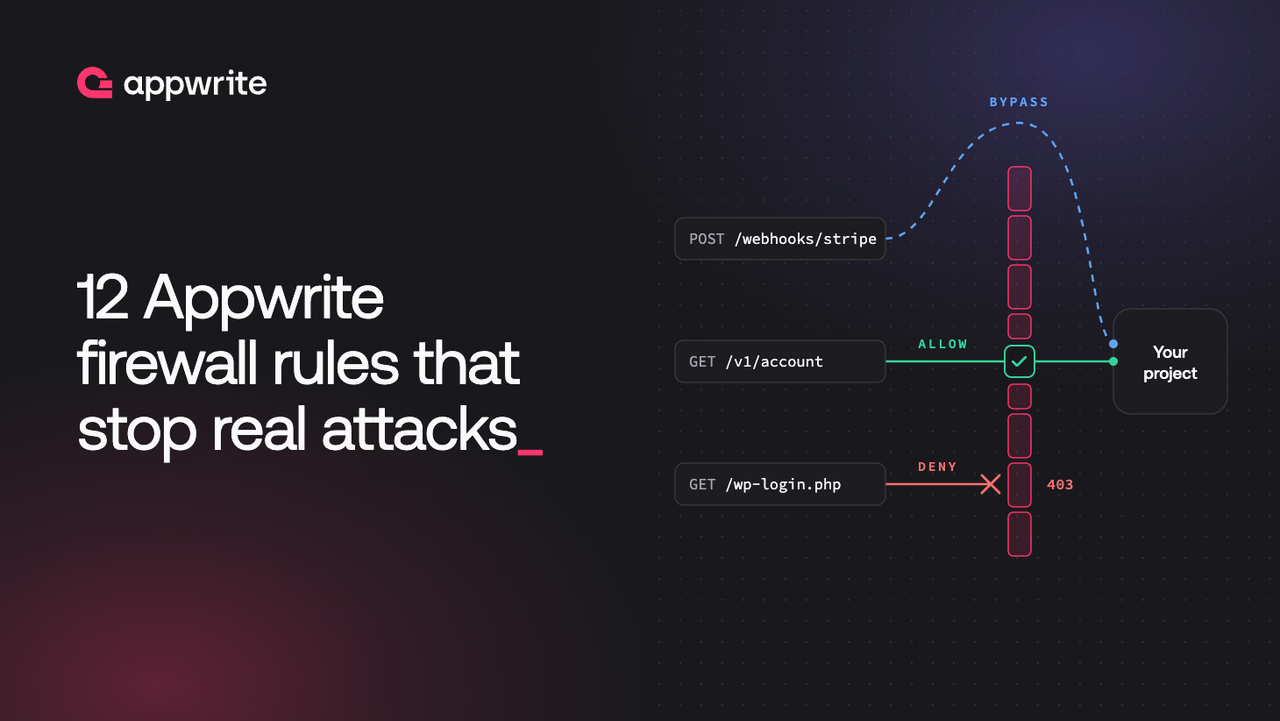
Practical Appwrite Firewall rules for OTP abuse, database scraping, per-user quotas, regional access, trusted networks, webhook Functions, and Sites under attack.
The Appwrite plugins for Claude Code and Codex now include the hosted Appwrite MCP server, so your agent can work with your Appwrite project after one OAuth sign-in.
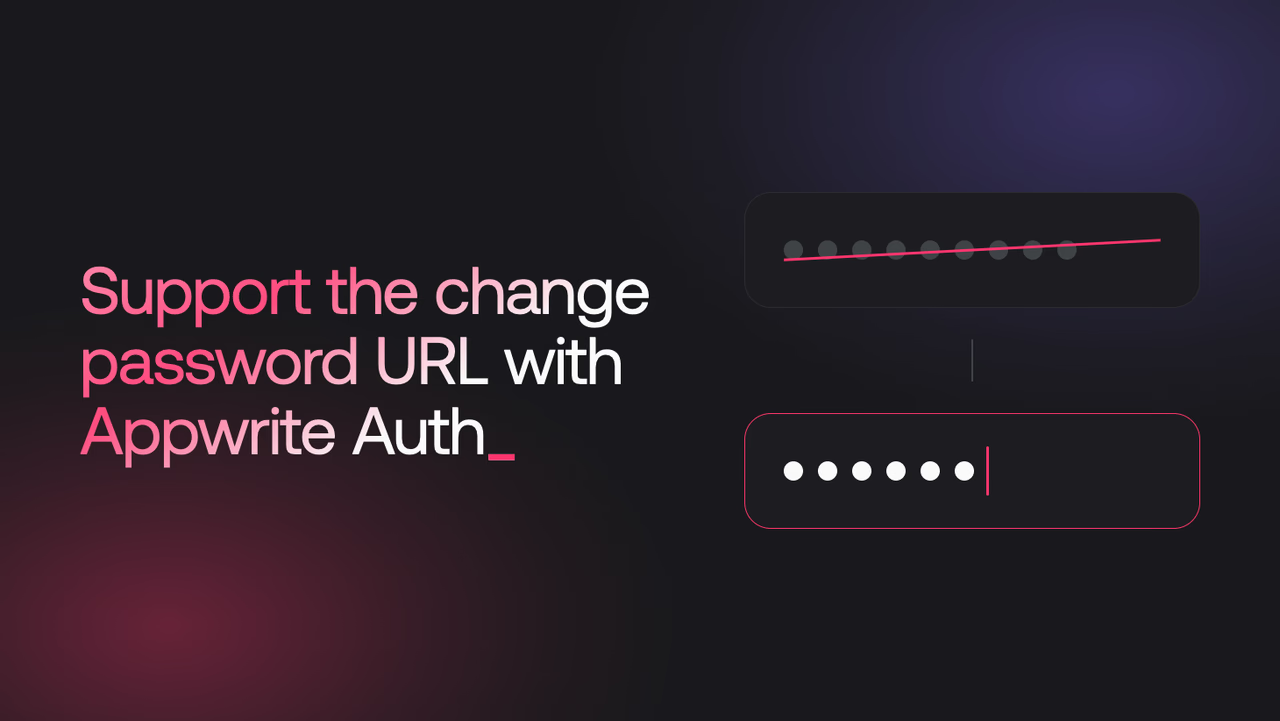
Password managers open /.well-known/change-password when they find a leaked or weak password. Add the redirect and a change password page backed by Appwrite Auth.
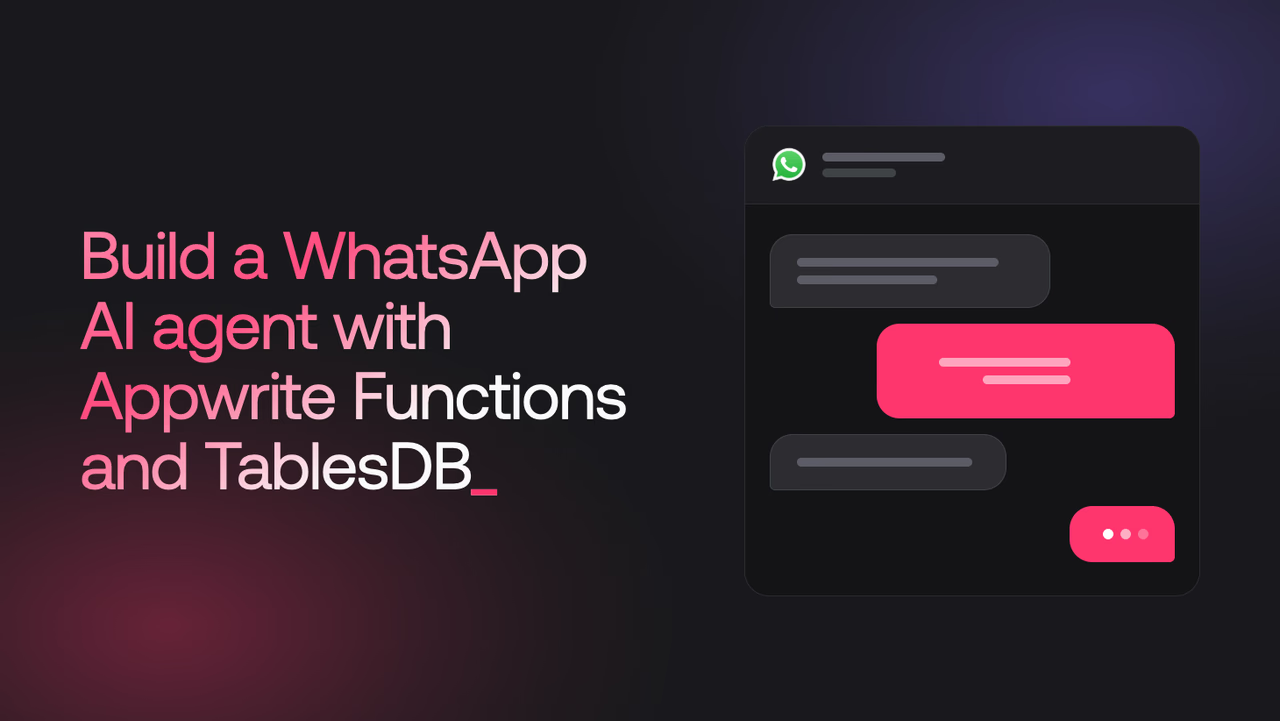
Turn a WhatsApp number into an AI support agent. Two Appwrite Functions receive messages and reply, TablesDB keeps the conversation history, and a compaction step keeps the context small.
Learn what a document database is, how it stores flexible JSON documents, how it differs from relational databases, and when to use one, in this guide.
Appwrite 2.1 brings the S3 API and AutoGravity to self-hosted instances, adds TikTok and Kakao sign-in, and fixes for Appwrite Console.
Learn the difference between an OAuth server and OAuth client, how each works, and the role they play in secure authorization flows.
Compare dedicated Postgres and serverless databases across scaling, pricing, performance, and when to choose each for your app.
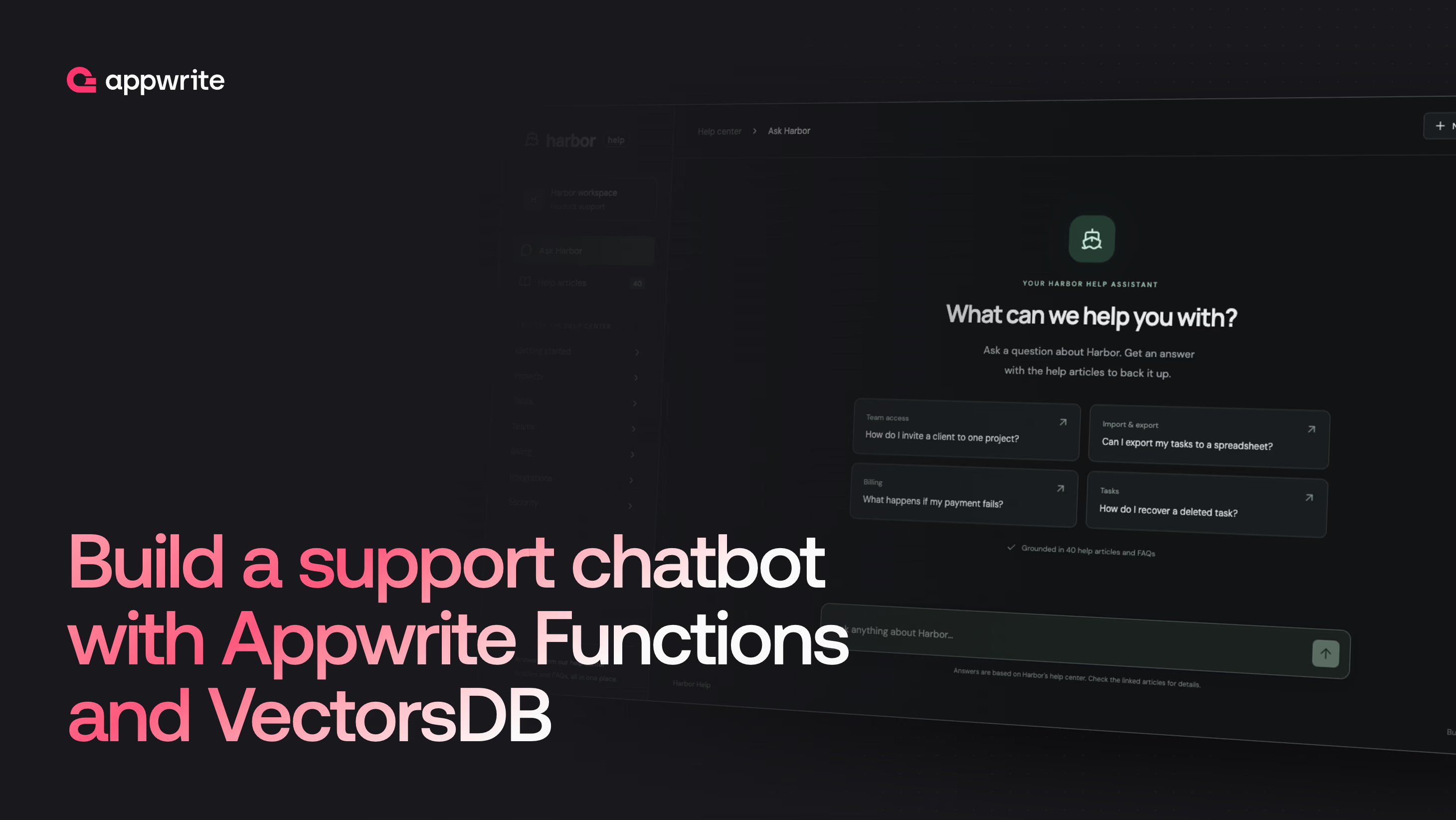
Seed a help center, retrieve relevant articles with VectorsDB, and answer customer questions through an Appwrite Function. Deploy the chat interface on Appwrite Sites.

See how iPhone Duo could change app development, from adaptive interfaces and testing to new experiences built for foldable screens.
Learn what SQL is, how queries work, and how developers use it to read, write, and manage data in relational databases.
Connect Drizzle ORM to Appwrite Postgres, query data with TypeScript, and apply SQL migrations as your schema changes.
Model your data with Prisma ORM, generate a typed client, and test schema migrations against Appwrite Postgres.
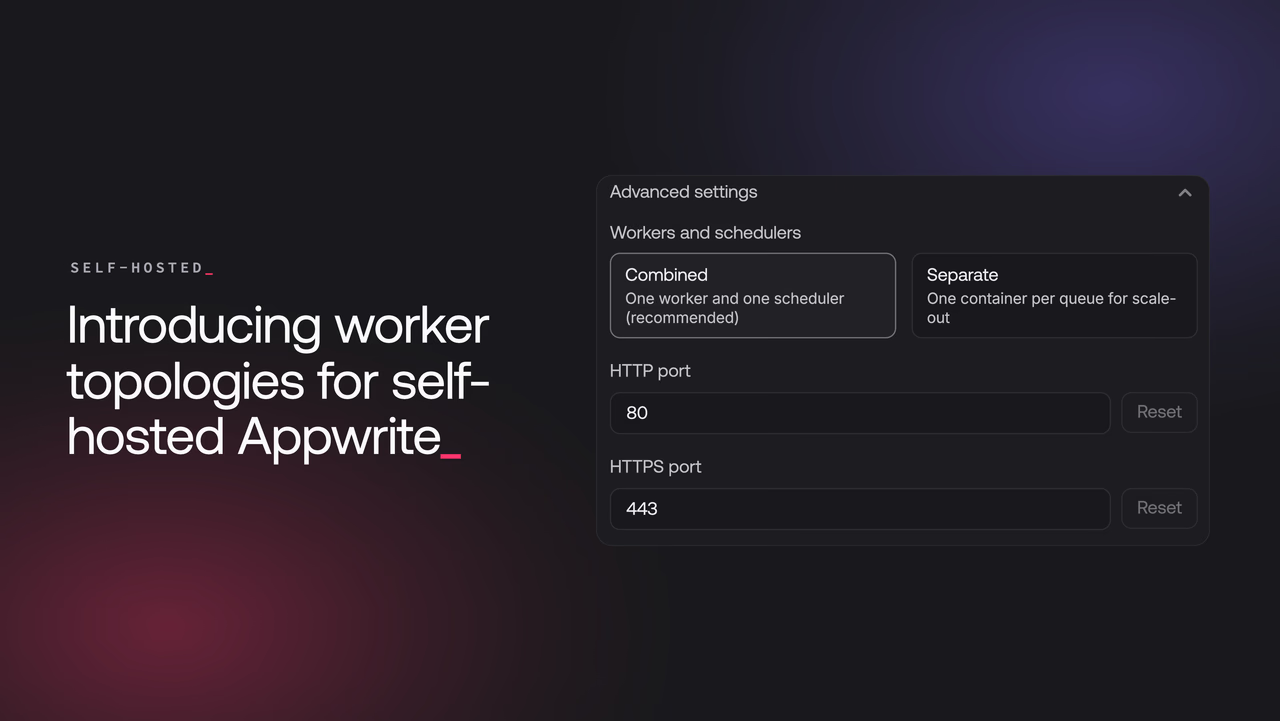
Self-hosted Appwrite now runs all background workers in a single container by default. Learn how the combined topology works and when to scale out with separate workers.
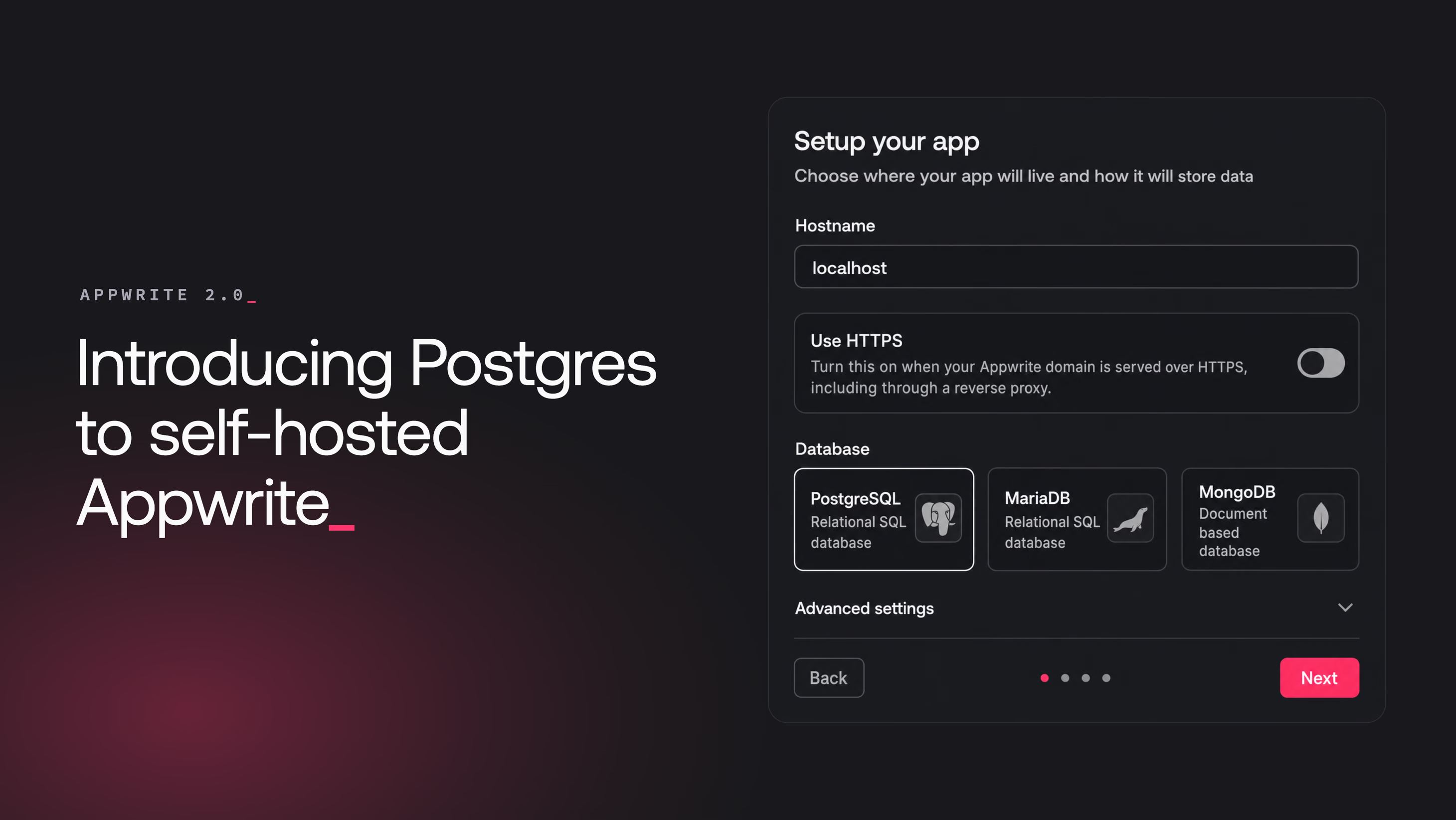
Appwrite 2.0 runs new self-hosted instances on Postgres by default. Choose Postgres, MariaDB, or MongoDB in the setup wizard when you install.
Appwrite 2.0 brings a rebuilt Console, PostgreSQL as the default database, and a combined worker topology that runs your instance on 16 containers instead of 33.
Register an app in your organization and build dashboards, deployment tools, CLIs, and agents for other Appwrite developers, with consent-based, scoped tokens instead of pasted API keys.
Give your AI tools a shared, persistent memory. Host a stateless MCP server on Appwrite Functions, store memories in VectorsDB, and protect it with your project's OAuth2 server.
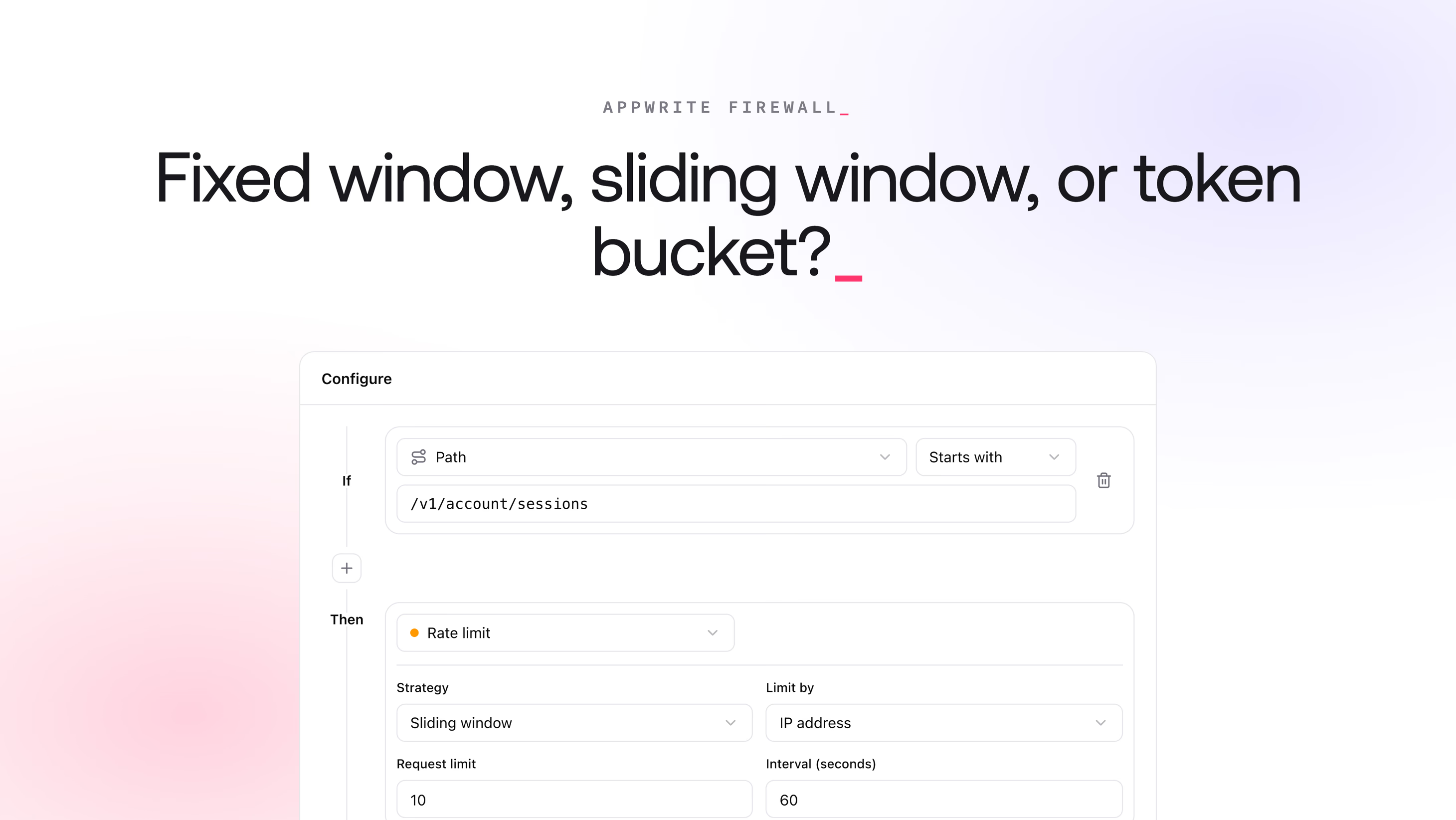
Appwrite Firewall rate limit rules support three strategies. Learn how fixed window, sliding window, and token bucket work, where each one breaks down, and how to pick the right one for your traffic.
Build a remote MCP server for your product, host it on Appwrite Functions, and let AI tools like Claude Code sign in through the OAuth2 server built into your Appwrite project.
Create a vector collection in the Appwrite Console, embed help articles as they are published, and rank answers by meaning in a TanStack Start app.
Appwrite VectorsDB finds documents by meaning, not by words. This post builds four features with it: a help article search, a filtered search, a recommendation from user history, and an answer cache.
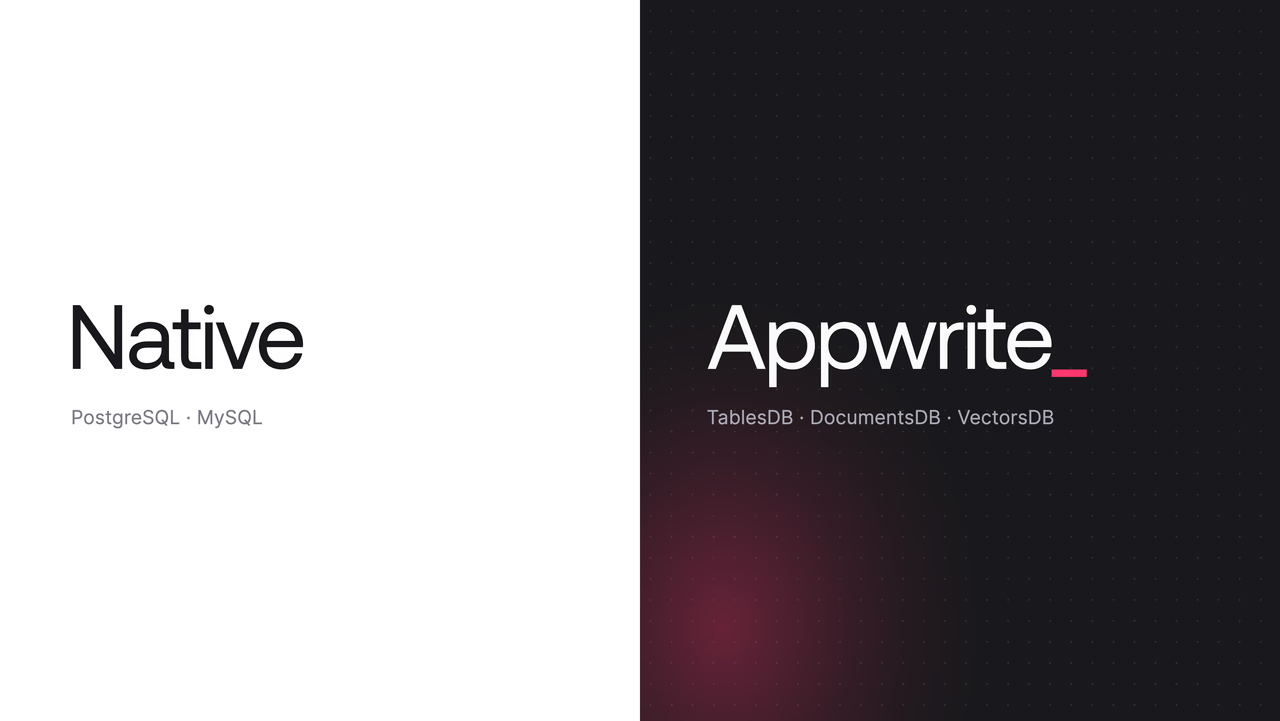
Appwrite offers two kinds of databases. This guide explains how TablesDB, DocumentsDB, and VectorsDB differ from native PostgreSQL and MySQL, and how to choose between them for your project.
Bun 1.4 is now available as a runtime for Appwrite Functions and as a build runtime for Appwrite Sites. We benchmarked it against Bun 1.3 and Node 26.
Gemini 3.7 Flash targets coding and production agents with stronger benchmarks, a 1M context window, and introductory API pricing through 2026.
Appwrite now supports a custom MFA factor. Appwrite generates and verifies the code, and your function delivers it through WhatsApp, a voice call, or any provider you choose.

OpenAI's ChatGPT education plugins bring agentic AI to K-12 and college workflows. See what shipped, who gets access, and what EdTech developers should build.
Learn what database sharding is, how it works, common strategies, benefits, tradeoffs, and when to use it to scale large applications effectively.
Learn what server-side rendering is, how SSR works, how it compares to CSR and SSG, and when to use it for faster, SEO-friendly web applications.
Grok 4.5 is SpaceXAI's new coding model. Here's a source-backed look at benchmarks, pricing, availability, token efficiency, and AI agent workflows.
Learn what serverless means, how it works, FaaS vs BaaS, how it compares to servers and containers, plus benefits and trade-offs, in this developer guide.
A small set of React hooks and SSR adapters that take the busywork out of wiring Appwrite Auth into Vite, Next.js, and TanStack Start apps.
Learn what CI/CD means, how continuous integration and delivery work, the pipeline stages, delivery vs deployment, and best practices, in this developer guide.
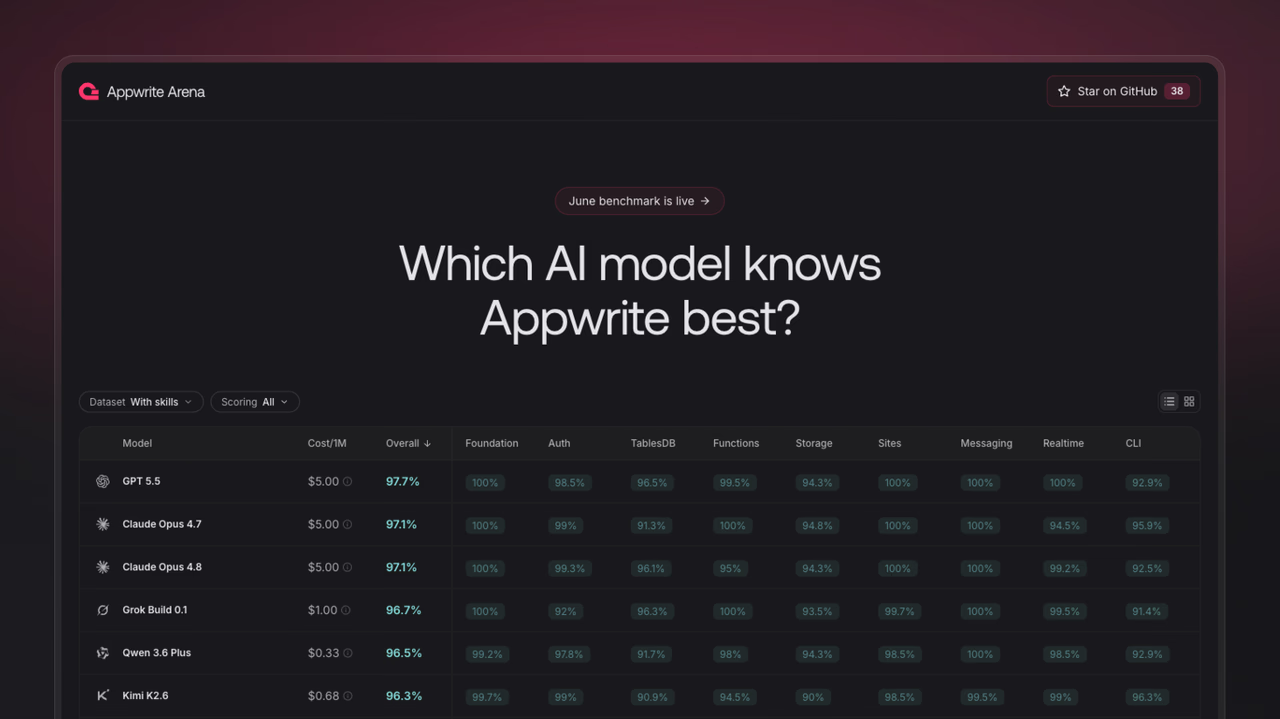
Claude Opus 4.8 takes #1 on Appwrite Arena's without-skills board at 97.4%, the first model to beat Claude Opus 4.7, in a June update that adds four new frontier models.
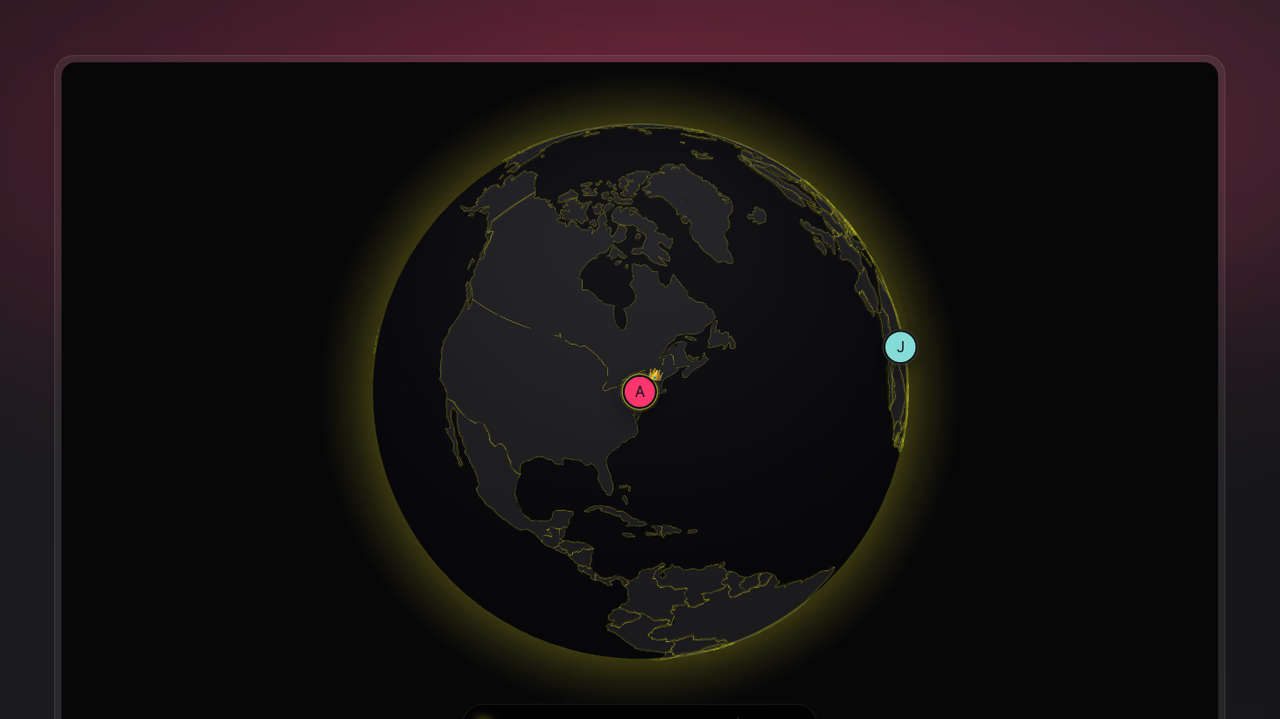
Build a Snapchat-style app with Appwrite's Presences API and Realtime, using TanStack Start, TablesDB, Functions, and Storage. Friends drop pins on a globe and send each other photos that expire in 24 hours.
A detailed look at Gemini 3.5 Flash: what shipped at Google I/O 2026, pricing, Google's own benchmark table, Artificial Analysis numbers, and how it scores on the Appwrite Arena benchmark.
Appwrite Sites now supports Bun and Deno as build runtimes for every Node-based framework, with Bun 1.0 through 1.3 and Deno 1.40 through 2.6 available in the build runtime dropdown.
A detailed breakdown of the May 2026 Mini Shai-Hulud attack on TanStack npm packages, how GitHub Actions cache poisoning and OIDC trusted publishing were abused, what the malware tried to steal, and how developers should respond.

Explore three workloads that play to the Rust runtime's strengths, including image optimization, PDF generation, and HMAC-verified webhooks.
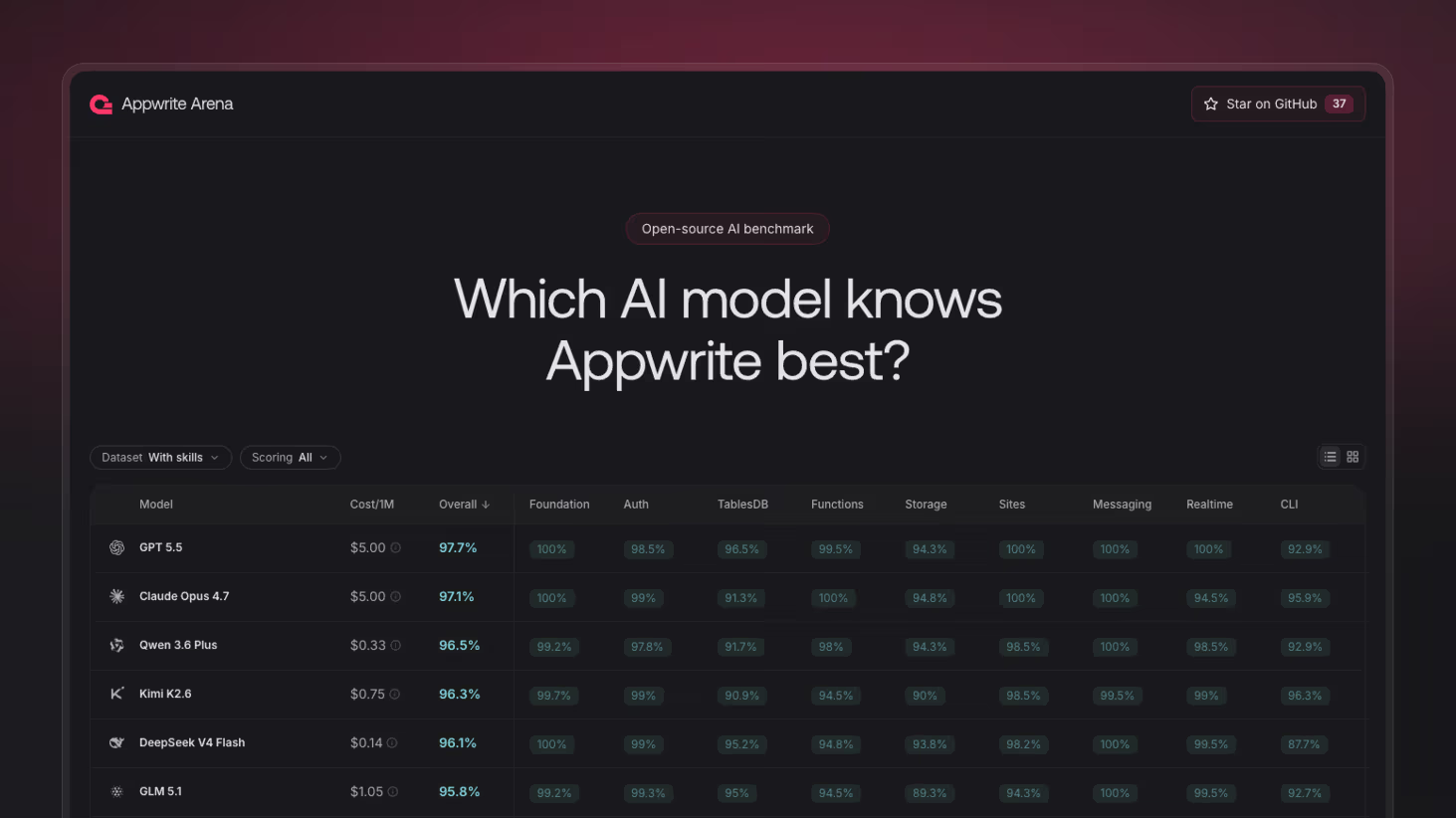
Kimi K2.6 from MoonshotAI ranks #3 without skills and #4 with skills on Appwrite Arena, in a refresh that swaps in eleven current frontier models and hardens the benchmark runner.

Anthropic doubled Claude Code's 5-hour rate limits across paid plans, dropped peak-hour throttling for Pro and Max, and lifted API rate limits for Opus. The compute behind it comes from a new SpaceX deal.
Compare Replit Agent's built-in database and services with Appwrite as a backend for Replit Agent apps graduating to production.
Compare Appwrite vs Convex for AI apps and agent workflows, from agent primitives to Auth, TablesDB, Realtime, Storage, Functions, and MCP.
Compare Supabase alternatives for Lovable projects across Appwrite, Firebase, Convex, Neon, and Lovable Cloud, and pick the right backend fit.
The vibe coding backend checklist: auth, permissions, tables, files, secrets, logs, domains, backups, and AI-generated code review before launch.
Learn how to give apps built with Claude Code a reliable backend with Appwrite. Create a project, set up an API key, install the Appwrite Claude Code plugin, and let your agent build authentication, databases, and storage for you.

OpenAI shipped GPT-5.5 on April 23, 2026. Here's a source-backed look at benchmarks, pricing versus GPT-5.4 and Claude Opus 4.7, the system card, and where the model still falls short.
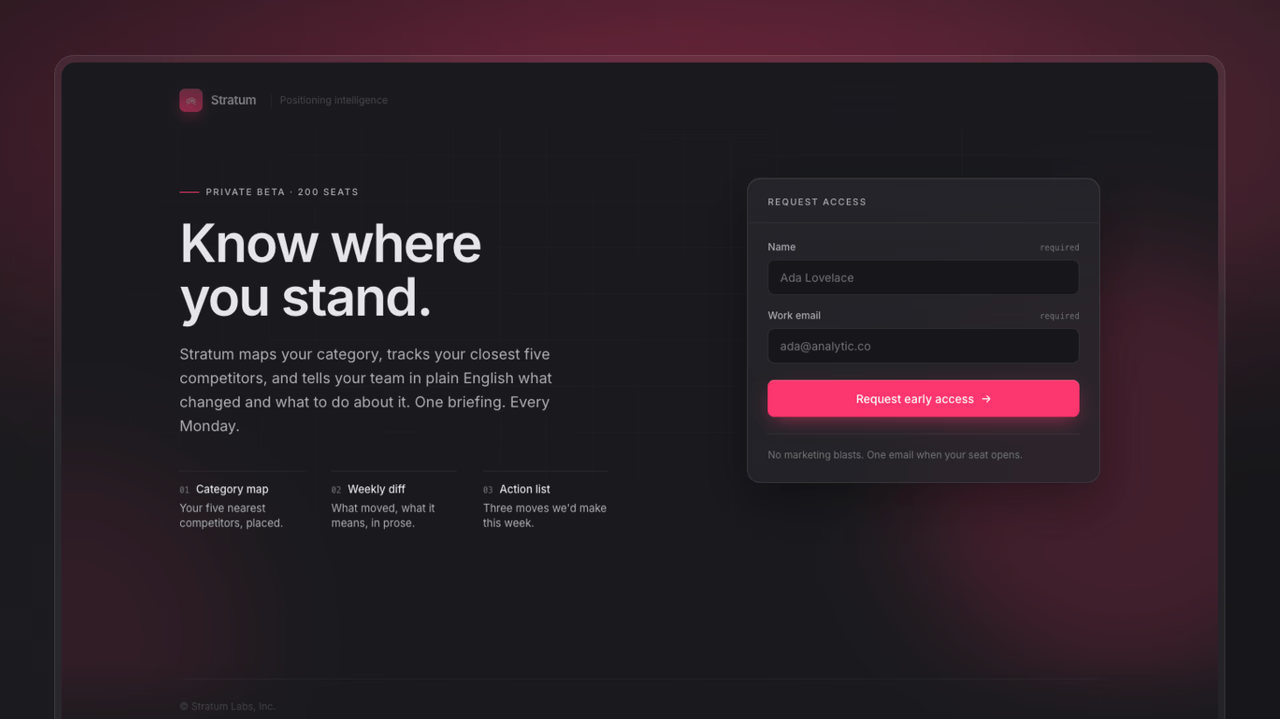
Learn how to ship a production-ready waitlist page with Vite, React, and Appwrite, including unique email validation and clean error handling.
AI builders can scaffold a UI in minutes, but durable data, identity, access control, and server-side logic still decide whether the app survives launch.
We ran 100,000 listRows calls per phase against a 10,000-row table, with and without TTL caching, to measure the latency gains. The results were more decisive than we expected.

The Appwrite plugin for Claude Code bundles agent skills and MCP servers into a single install, so your Claude Code agent can build with Appwrite out of the box.
Why documentation is one of the most important developer features, and how great docs improve onboarding, usability, and backend adoption.

Anthropic's Claude Mythos Preview broke out of a sandbox, found zero-days in Firefox, and solved a 10-hour corporate pentest autonomously. Here's why they chose not to release it.
A practical mental model for backend architecture that helps developers design scalable systems, reduce complexity, and choose the right backend components with confidence.
Learn what to look for beyond features when choosing a backend platform: maintenance cadence, governance, security posture, data portability, and long-term stability.
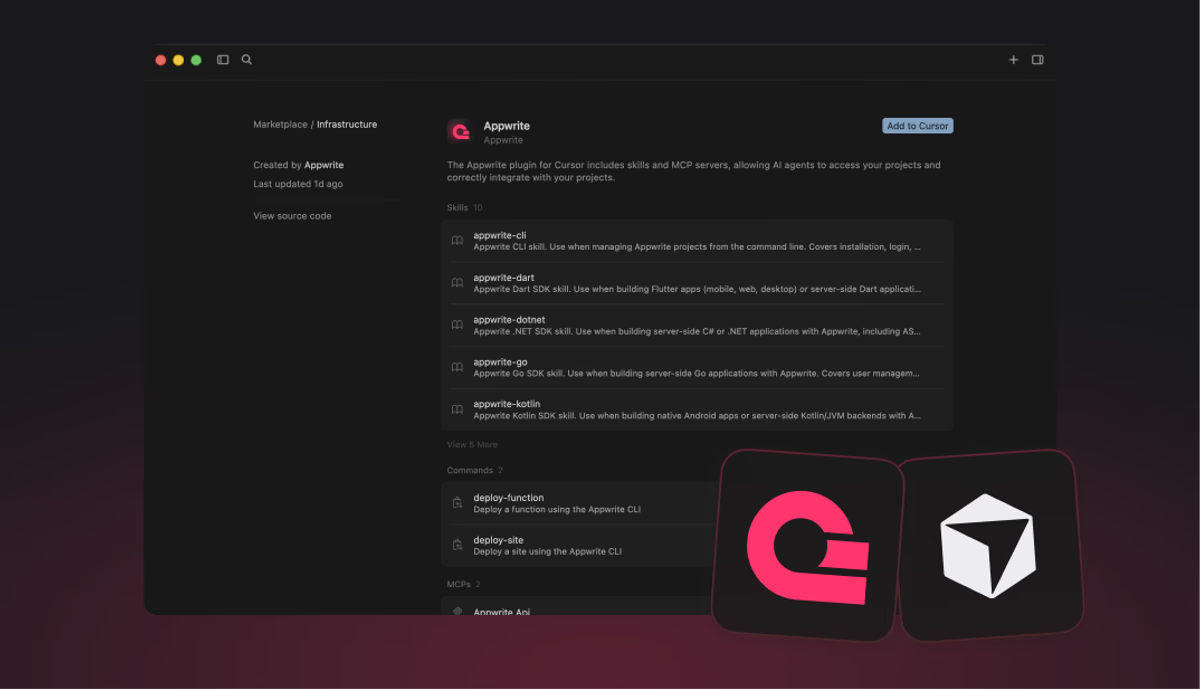
The Appwrite plugin for Cursor bundles agent skills, MCP servers, and deployment commands into a single install, so your AI agents can build with Appwrite out of the box.
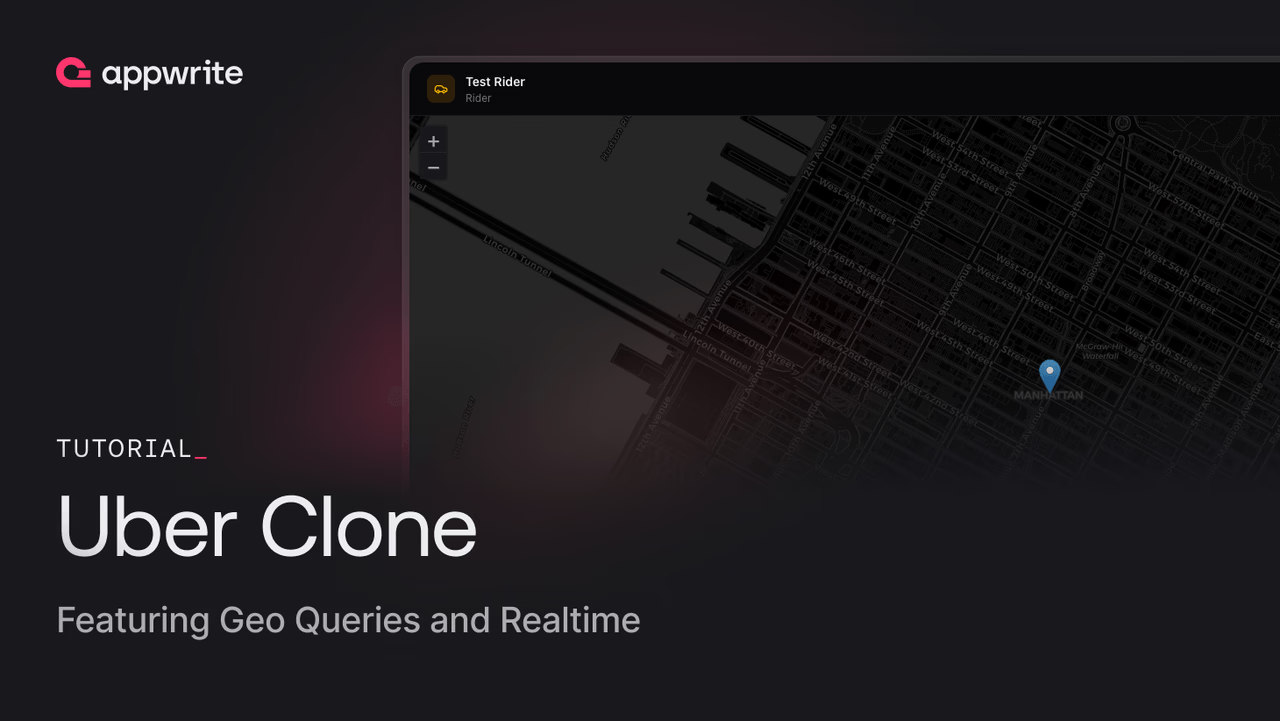
Learn how to build a real-time ride-hailing app using Appwrite's Geo Queries and Realtime features with Next.js and Leaflet maps.
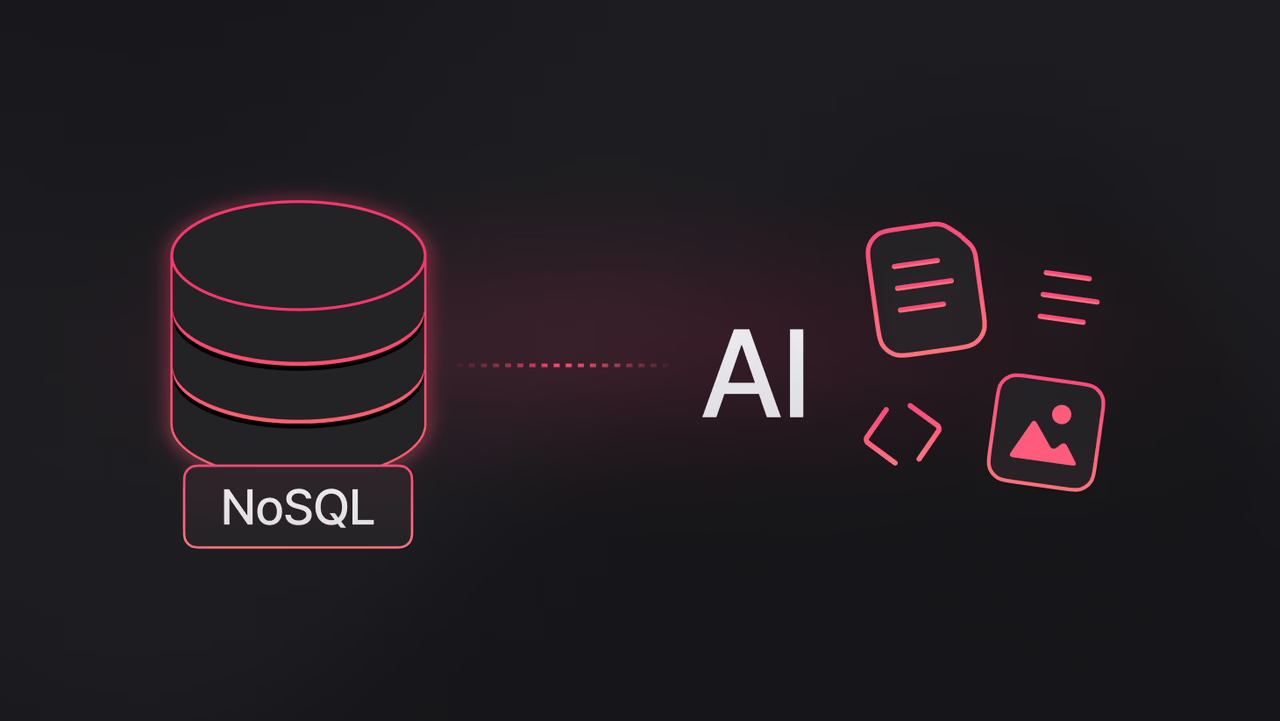
Learn how NoSQL for unstructured data handles text, images, and embeddings in AI applications and why it outperforms relational databases for modern AI pipelines.
Learn why MongoDB is a strong fit for scaling AI workloads, covering high-velocity data ingestion, horizontal scaling, flexible schemas, and how Appwrite makes it faster to build on top.
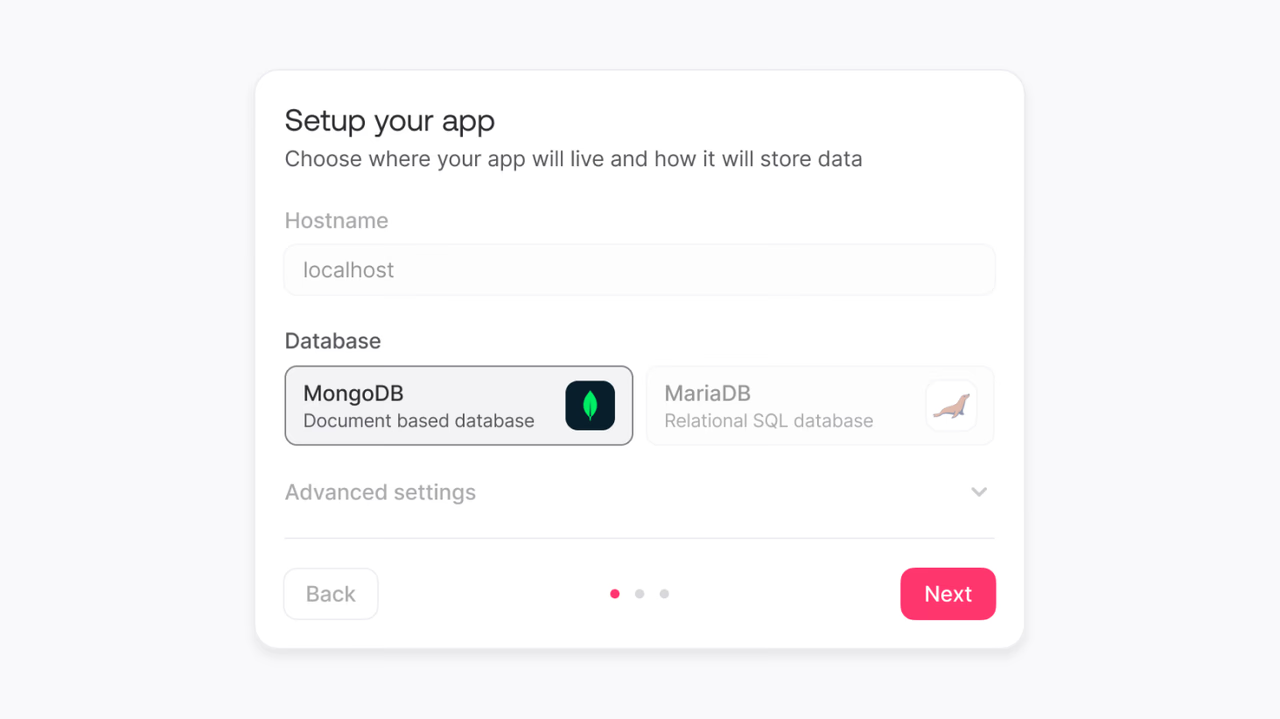
Learn how to self-host Appwrite with MongoDB as the database backend using the new installation wizard.
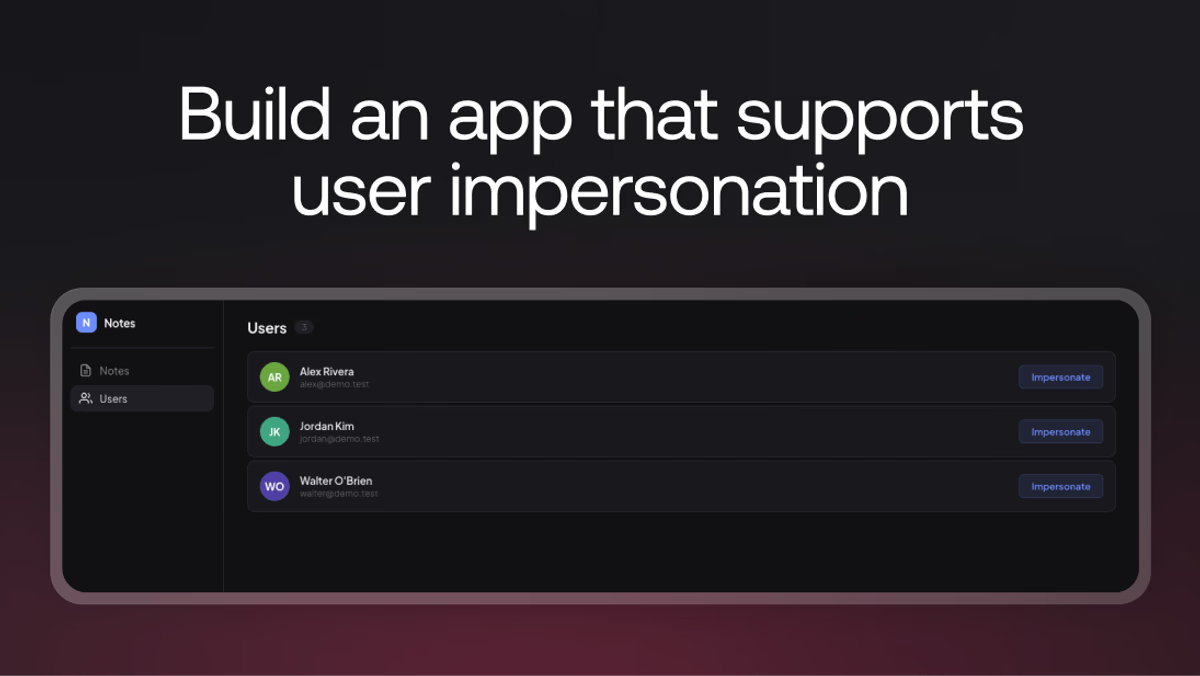
Learn how to build a notes app where an admin can impersonate users to view and manage their private data using Appwrite's user impersonation feature.
Discover how to build a scalable, secure, and production-ready backend with Appwrite using the tools modern teams need from day one. This guide walks through the core services, best practices, and setup choices that help you launch confidently and grow without backend chaos.
Learn how Appwrite helps startups move from idea to launch faster by handling authentication, databases, storage, and backend workflows in one place. This guide shows why teams choose Appwrite to cut complexity, reduce development time, and stay focused on building the product instead of managing backend headaches.
See how Appwrite makes backend development easier for frontend developers by handling auth, databases, storage, and server-side logic through simple APIs and tools. This guide shows how you can build full-stack apps faster without getting buried in backend complexity or infrastructure setup.
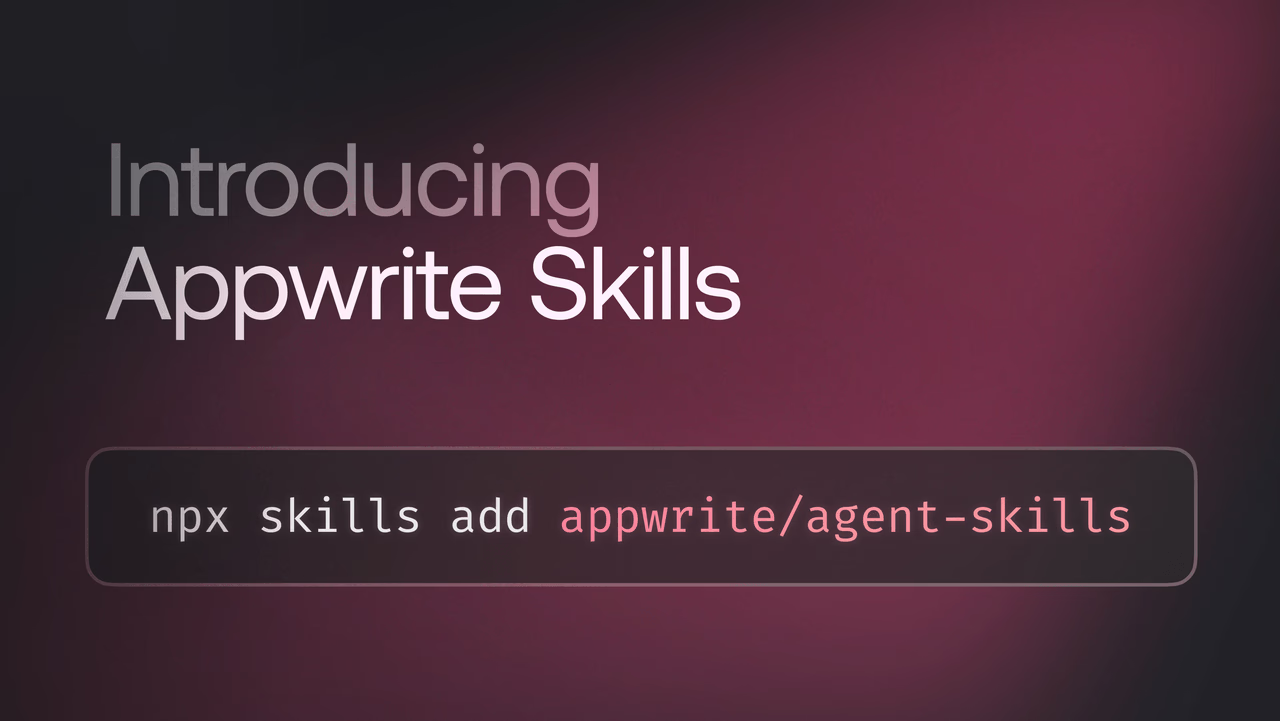
Appwrite Skills are open source markdown files that give AI agents deep, language-specific knowledge of Appwrite SDKs. Install once, and your agents generate correct Appwrite code automatically.
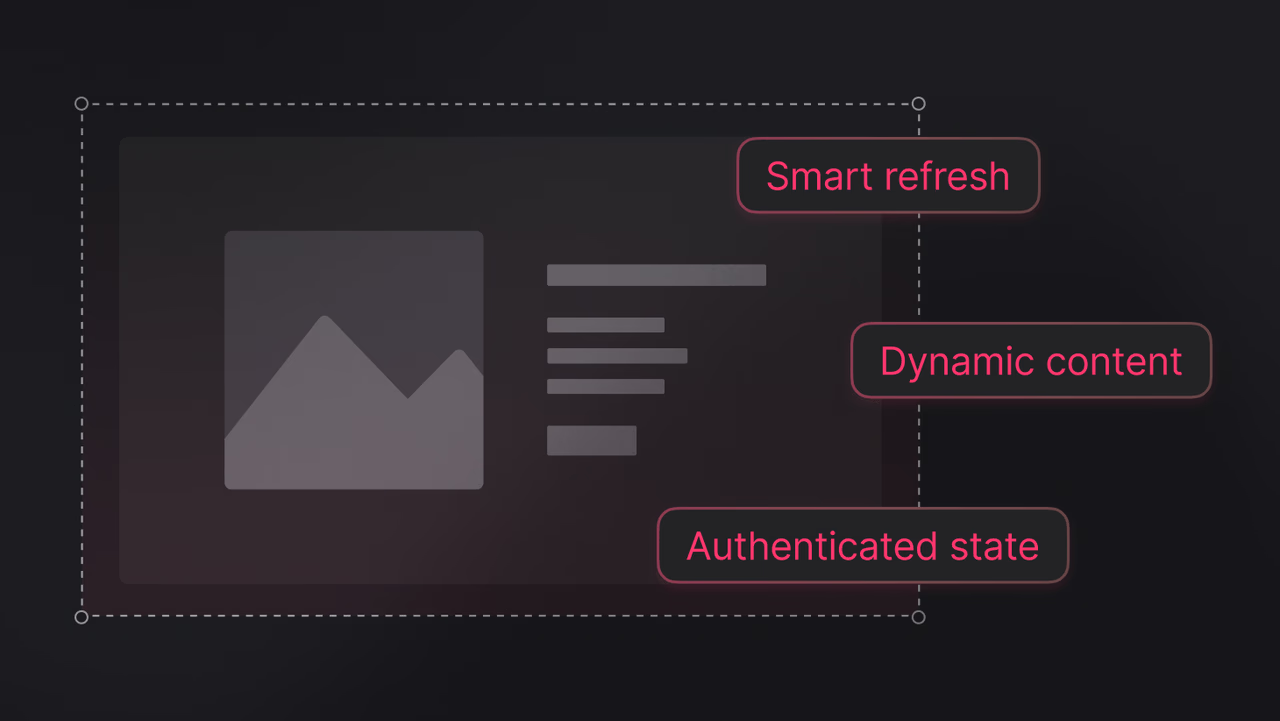
Learn how to efficiently capture, store, and serve webpage screenshots without wasting resources or slowing down your app.
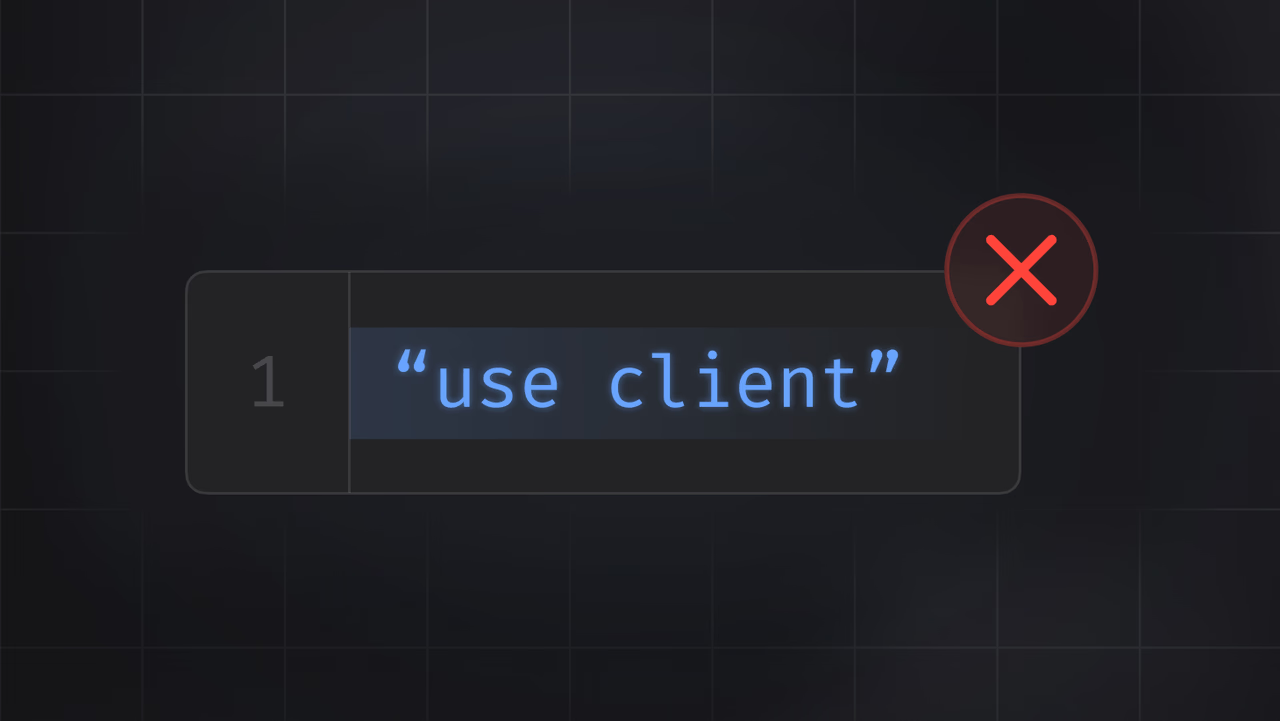
Next.js isn't just React with extra steps. Learn when server-side rendering actually matters and how to use it properly with Appwrite.
Learn about different output modes in Next.js and find out which of them would be the best for you.
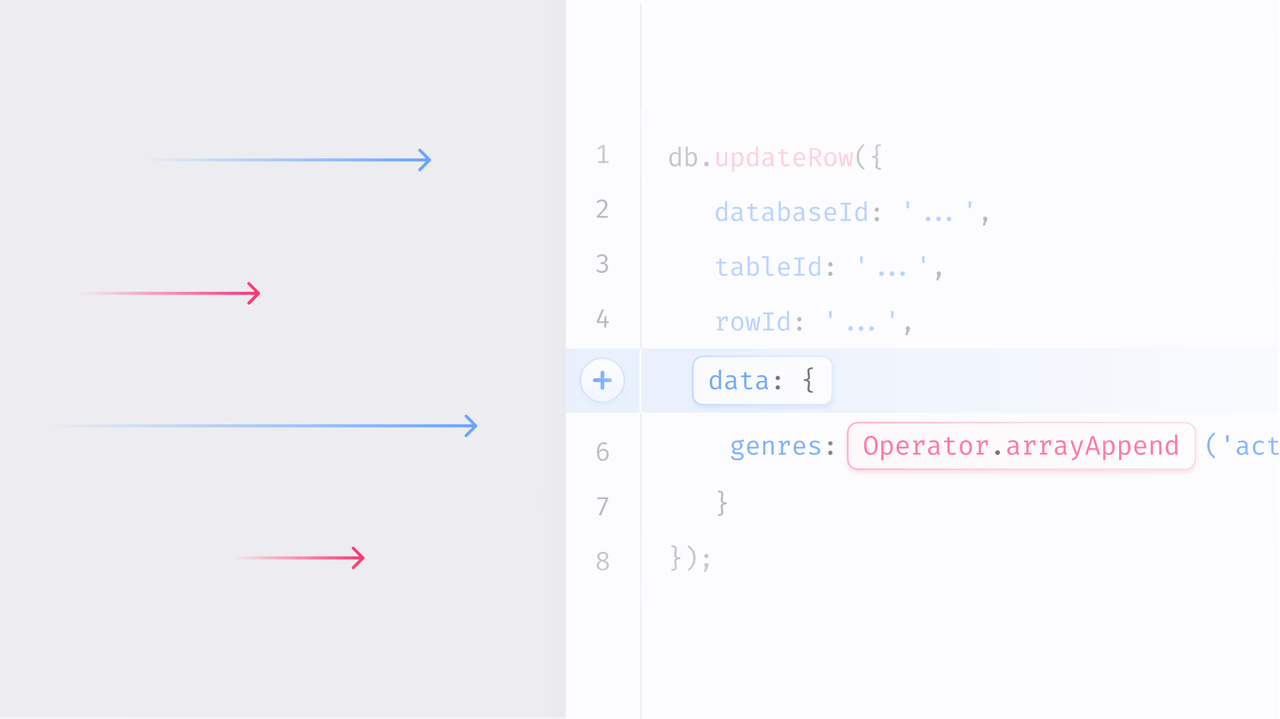
Learn how race conditions can occur while running operations on your Appwrite database and how operators can help avoid them.
Learn how to deploy a TanStack Start app to Appwrite Sites.

Learn how to use Claude Code to its full potential.
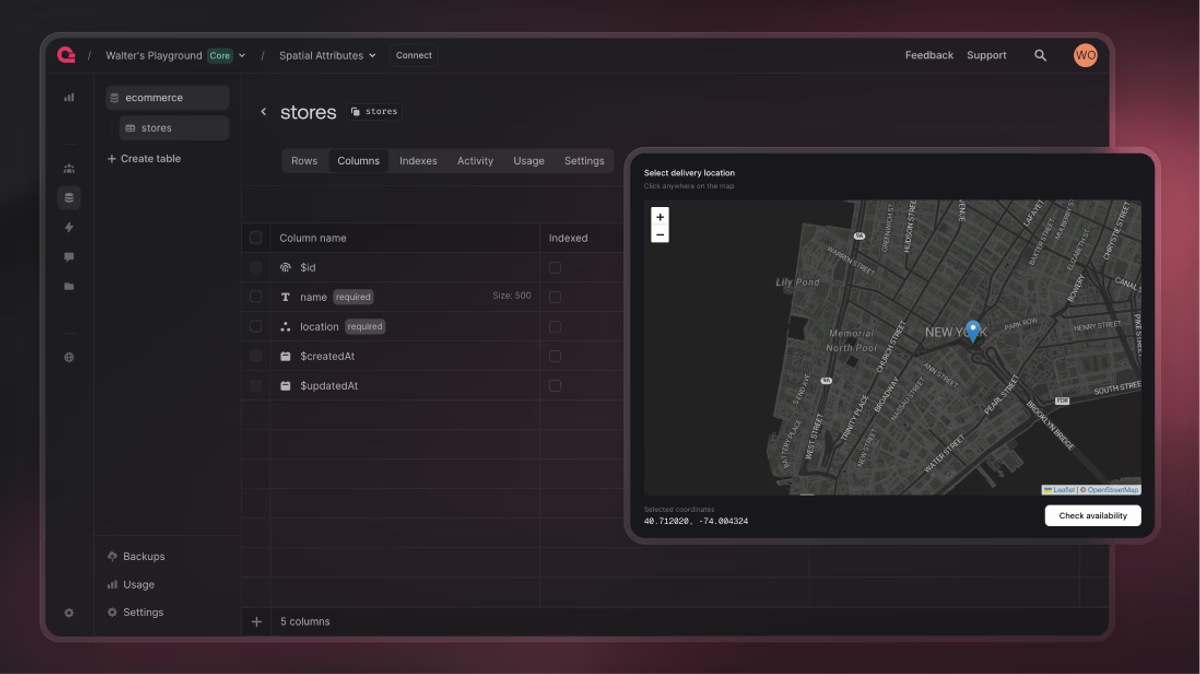
Learn how to use spatial columns in a real-world application.
Learn how to implement Google authentication in Expo React Native.
Learn how to choose between client and server components in React.
Learn how to set up Google OAuth2 authentication in your app.
Learn how to make the best use of Appwrite’s MCP server.
Learn how to deploy a Next.js app to Appwrite Sites.